Your garage door opener is one of those household devices you rarely think about until it starts causing problems. You press the remote, expect the door to open, and continue with your day. But when the opener begins making strange noises, responding slowly, or refusing to work, you may wonder whether it's reaching the end of its useful life.
So, how long do garage door openers last?
Most residential garage door openers have an expected lifespan of approximately 10 to 15 years, although some last longer with proper maintenance and favorable operating conditions. Others may need replacement sooner because of heavy use, mechanical wear, electrical problems, or outdated safety technology.
The age of your opener is only part of the picture. A 12-year-old opener that works reliably may not need immediate replacement, while a newer unit experiencing repeated failures could require professional attention.
For homeowners in Irvine, Anaheim, Mission Viejo, and other Orange County communities, understanding the signs of an aging opener can help prevent unexpected breakdowns and unnecessary replacement costs.
Here's how to evaluate your opener's condition and decide whether repair or replacement makes more sense.
What Is the Average Lifespan of a Garage Door Opener?
A typical garage door opener can operate for 10 to 15 years, but this is a general estimate rather than a fixed replacement schedule.
Some well-maintained openers continue functioning beyond 15 years. Others begin experiencing problems much earlier.
Unlike garage door springs, which are often rated by opening-and-closing cycles, opener lifespan depends on several interacting components, including the motor, drive mechanism, electronics, and control system.
A household that uses its garage door six or eight times daily places different demands on an opener than a homeowner who opens the garage only once or twice a day.
Environmental conditions also matter. Dust, moisture, temperature exposure, and electrical issues can affect the opener's performance over time.
Even when an older opener still operates, its safety features and technology may be outdated compared with newer models.
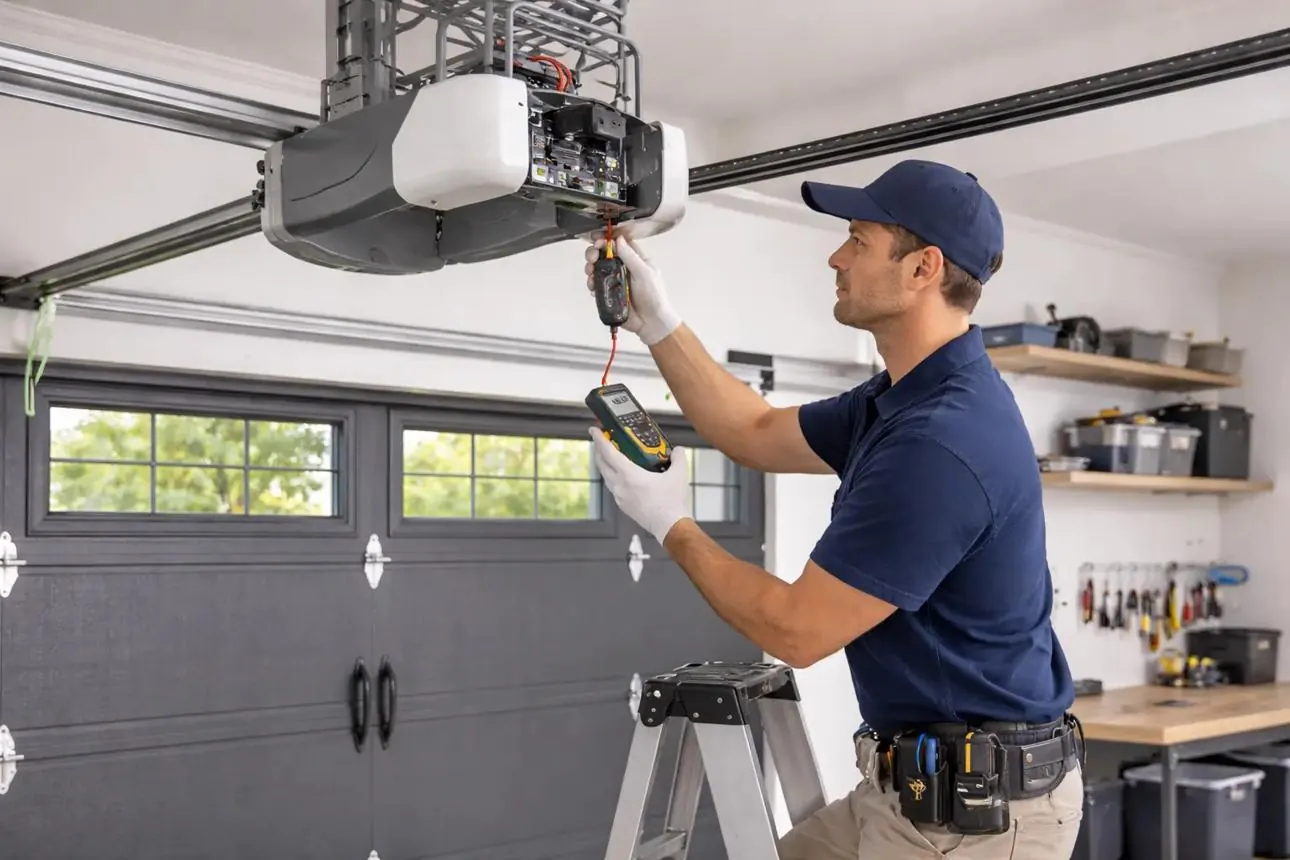
If your garage door opener has started malfunctioning, professional garage door opener repair can help determine whether the problem is limited to a replaceable component or indicates a more serious failure.
Do Different Types of Garage Door Openers Last Longer?
The drive mechanism can influence noise, maintenance requirements, and wear, but no single opener type has a guaranteed lifespan.
The quality of the motor, installation, maintenance, and daily usage often matter as much as the drive system.
Chain Drive Garage Door Openers
Chain drive openers use a metal chain to move the trolley connected to the garage door.
They're widely used because of their durability and relatively straightforward mechanical design.
With appropriate maintenance, a chain drive opener may operate for many years. However, chains and related components can experience wear, and these systems are often noisier than belt drive alternatives.
If the garage is attached to a bedroom or living space, increased operating noise may become a reason to consider upgrading even when the opener still works.
Belt Drive Garage Door Openers
Belt drive openers use a reinforced belt instead of a metal chain.
They're popular among homeowners who want quieter garage door operation, particularly in attached garages.
A quality belt drive opener can have a lifespan comparable to a chain drive model, although the belt and other components may eventually require attention.
For many Orange County homes where bedrooms are located above or near the garage, quieter operation can be a meaningful advantage.
Screw Drive Garage Door Openers
Screw drive openers move the trolley along a threaded drive mechanism.
Their performance and maintenance requirements vary by model and manufacturer.
Some older screw drive systems can become noisy or develop mechanical wear over time, especially if maintenance has been neglected.
If your opener is an older or discontinued model, replacement-part availability may influence whether repair remains practical.
Wall-Mount Garage Door Openers
Wall-mount openers, sometimes called jackshaft openers, are installed beside the garage door rather than on the ceiling.
They can be useful when homeowners want additional overhead storage space or have a garage configuration that supports this type of installation.
Their lifespan depends on the motor, control system, installation, and compatible door hardware.
They aren't automatically longer-lasting than ceiling-mounted openers, but they may offer practical benefits for certain garage layouts.
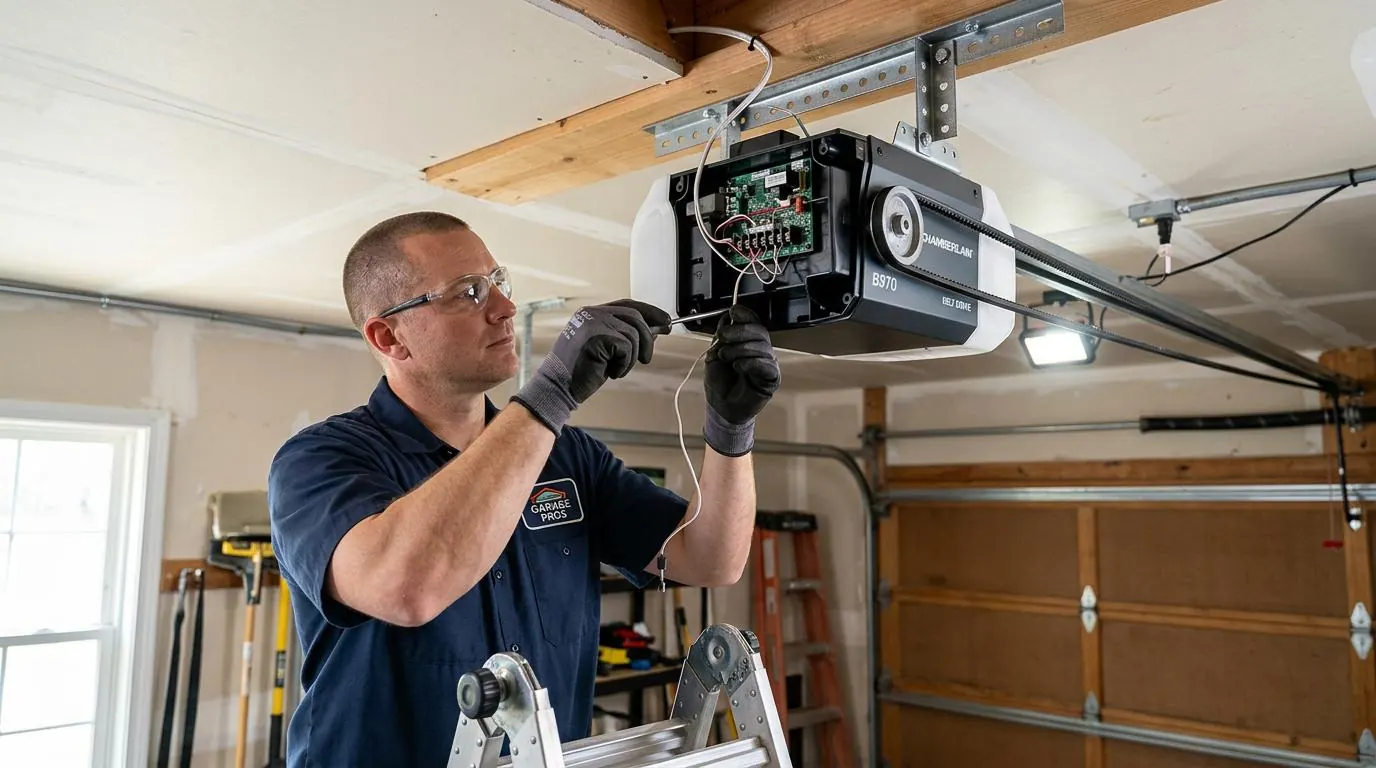
7 Signs It May Be Time to Replace Your Garage Door Opener
An aging garage door opener doesn't always fail without warning. Many units begin showing performance changes before they stop working completely.
These seven signs can help you recognize when professional evaluation is worthwhile.
Your Garage Door Opener Is More Than 10 to 15 Years Old
Age alone doesn't mean an opener needs replacement, but it provides useful context.
If your opener is approaching or exceeding 15 years, it's worth considering its reliability, safety features, and maintenance history.
Older systems may lack conveniences such as smartphone connectivity, modern lighting, or battery backup.
Some replacement components may also be harder to find.
If your opener continues operating safely and reliably, replacement may not be urgent. However, an older unit with recurring problems may no longer justify repeated repairs.
The Opener Makes Unusual Grinding or Rattling Noises
A garage door opener will make some noise during normal operation.
However, new grinding, rattling, scraping, or unusually loud mechanical sounds deserve attention.
These noises may indicate worn drive components, loose hardware, motor problems, or issues elsewhere in the garage door system.
Not every unusual noise comes from the opener itself.
Worn rollers, damaged tracks, or improperly balanced springs can create sounds that seem to originate from the motor.
Before replacing the opener, the complete garage door system should be evaluated.
If the noise comes from damaged door hardware, residential garage door repair may solve the problem without requiring a new motor.
Your Garage Door Opens or Closes Inconsistently
An opener that works one day and fails the next can quickly become frustrating.
You might notice that the remote only responds occasionally, the motor stops unexpectedly, or the door requires several attempts to open.
These symptoms can result from different causes, including remote batteries, electrical connections, control-board problems, or mechanical resistance.
Inconsistent operation doesn't automatically mean the opener is beyond repair.
However, recurring failures after appropriate repairs may indicate that replacement is becoming the more practical option.
The Motor Runs, but the Garage Door Doesn't Move
When you press the remote and hear the motor running without moving the door, it's natural to assume the opener has failed.
Sometimes that's true.
A worn gear, damaged drive mechanism, or disconnected component can prevent the motor from transferring movement to the garage door.
But a broken spring or other door-related problem can create similar symptoms.
Garage door openers are designed to operate properly balanced doors. They aren't intended to compensate for failed counterbalance hardware.
If the door suddenly feels unusually heavy or a spring appears broken, stop operating it.
Professional garage door spring repair may be necessary before the opener can be safely evaluated.
Your Opener Needs Frequent Repairs
An occasional repair doesn't necessarily mean an opener should be replaced.
But when problems keep returning, the combined cost of repairs can become difficult to justify.
For example, an older opener may need a circuit board repair one year, a drive component replacement the next, and additional electrical work shortly afterward.
At some point, investing in a new opener may provide better long-term value.
Consider the opener's age, the cost of the current repair, the availability of replacement parts, and whether other components are likely to fail soon.
A technician should explain whether the existing unit is still a reasonable repair candidate rather than recommending replacement based on age alone.
Your Opener Lacks Modern Safety Features
Garage door opener safety has improved considerably over the years.
Modern residential systems typically include photoelectric safety sensors that detect obstructions in the door's path and an automatic reversal system designed to reduce the risk of entrapment.
If your opener was manufactured before the federal safety requirements that took effect in 1993, it may lack important protections found on newer systems.
An opener with missing, disconnected, or malfunctioning safety features should not remain in normal use.
Never bypass photoelectric sensors or adjust safety settings simply to make a malfunctioning door close.
If the safety system isn't working correctly, have it inspected. An older opener that cannot meet applicable safety requirements may need replacement.
You Want Battery Backup or Smart Garage Door Features
Sometimes homeowners replace an opener not because it has failed, but because their needs have changed.
Modern garage door openers may offer smartphone controls, activity notifications, integrated cameras, improved lighting, and battery backup.
These features can be useful for households where multiple family members use the garage throughout the day.
Battery backup is especially relevant in California.
Under California Senate Bill 969, residential garage door openers manufactured for sale, sold, offered for sale, or installed in the state on or after July 1, 2019, must have a battery backup function designed to operate during an electrical outage.
This doesn't mean every older opener must be replaced immediately simply because it lacks battery backup.
However, if you're installing a replacement opener in Orange County, compliance with California's battery backup requirements is an important consideration.
For homeowners interested in upgrading, professional garage door opener installation can help identify a suitable system for the existing garage door.
What Causes Garage Door Openers to Wear Out Faster?
Two openers of the same model may have very different service lives.
Daily use is one factor, but the condition of the garage door itself can have an even greater effect.
An Improperly Balanced Garage Door
A garage door opener is designed to move a door supported by correctly functioning springs.
If the door becomes difficult to move because of worn springs, damaged rollers, or track problems, the opener may experience additional strain.
Replacing the motor without addressing the underlying mechanical issue can lead to continued problems.
Frequent Daily Operation
Households that use the garage as their primary entrance naturally place more demand on the opener.
Multiple drivers, frequent deliveries, and regular daily trips can increase operating cycles.
Heavy usage doesn't necessarily mean premature failure, but it makes proper maintenance more important.
Electrical and Environmental Conditions
Electrical surges, moisture intrusion, accumulated dust, and temperature exposure can affect an opener's electronic components.
Garage environments vary throughout Orange County.
Homes near coastal areas such as Newport Beach and Dana Point may experience more moisture and salt exposure, while inland garages can become very warm during summer.
The effect depends on the installation location, ventilation, equipment design, and environmental protection.
Neglected Garage Door Maintenance
An opener works as part of a larger mechanical system.
Worn rollers, misaligned tracks, damaged hinges, and improperly functioning springs can all affect door movement.
Routine garage door maintenance in Orange County helps identify mechanical problems before they place unnecessary strain on connected components.
Should You Repair or Replace an Old Garage Door Opener?
The best decision depends on the problem, not simply the opener's age.
A relatively new opener with a failed remote, damaged wall control, or replaceable component may be worth repairing.
An older unit with repeated motor failures, unavailable parts, or outdated safety technology may be a better candidate for replacement.
Here's a practical way to compare the two options.
| Situation | What to Consider |
|---|---|
| Opener is under 10 years old with one minor problem | Repair may be worthwhile |
| Opener is 10 to 15 years old and generally reliable | Inspect and compare repair costs |
| Opener is over 15 years old with repeated failures | Replacement may offer better value |
| Safety reversal system cannot function correctly | Stop using it and seek professional evaluation |
| Replacement parts are discontinued | Consider installing a compatible new opener |
| Homeowner wants battery backup or modern connectivity | An upgrade may be appropriate |
These are general decision guidelines rather than strict replacement rules.
A technician should assess the actual condition of the opener and garage door before recommending work.
Is It Worth Repairing a 15-Year-Old Garage Door Opener?
Sometimes, yes.
If the opener is structurally sound, operates safely, and only needs a relatively inexpensive replacement component, repair may still make sense.
However, a major motor or circuit-board repair on a 15-year-old opener deserves closer consideration.
The cost of repair should be compared with the price of a new compatible system, its expected reliability, and the safety features it provides.
Ask for both options when replacement is being considered so you can make an informed decision.
How Much Does Garage Door Opener Replacement Cost?
The cost of replacing a garage door opener depends on the type of system, motor specifications, features, and installation requirements.
Basic chain drive openers generally cost less than premium belt drive or wall-mount systems.
Smart connectivity, cameras, battery backup, additional controls, and specialized hardware can also affect the price.
Installation may involve removing the existing opener, mounting the replacement system, connecting controls and sensors, and testing the completed installation.
Not every garage door is compatible with every opener.
Door weight, height, track configuration, and the manufacturer's installation requirements should all be considered.
For an accurate estimate, a technician should inspect the existing setup and explain which opener options are suitable.
First Garage Door offers on-site written estimates for homeowners considering opener repairs or replacement throughout Orange County.
Can You Extend the Life of Your Garage Door Opener?
Although no opener lasts forever, good operating habits and appropriate maintenance can help reduce unnecessary wear.
Start by paying attention to changes in performance.
If the door begins moving unevenly, the motor sounds unusually strained, or the opener starts stopping unexpectedly, investigate the problem rather than repeatedly forcing the system to operate.
Keep the garage door's moving components maintained according to the manufacturer's recommendations.
Replace remote batteries when necessary and keep safety sensors unobstructed.
Professional maintenance can include checking the door's balance, inspecting hardware, evaluating the opener's operation, and testing safety features according to the manufacturer's instructions.
Avoid adjusting spring tension or attempting electrical and mechanical repairs beyond your training.
Regular maintenance cannot guarantee a particular lifespan, but it can help identify conditions that affect the opener's performance.
Choosing a Replacement Garage Door Opener for Your Orange County Home
When replacing an older opener, consider how your household actually uses the garage.
A homeowner in Irvine with an attached garage and bedrooms nearby may prioritize quiet operation.
A household in Anaheim with frequent daily garage use may place greater emphasis on reliability and appropriate motor capacity.
For a property in Mission Viejo or Lake Forest, smartphone access and battery backup may be particularly convenient when the garage serves as a primary entrance.
Rather than choosing an opener based only on advertised horsepower or smart features, consider the complete installation.
A replacement opener should be compatible with the door's size, weight, configuration, and safety requirements.
Features Worth Considering
Battery backup is an important requirement for new residential opener installations in California.
Safety reversal technology and properly functioning photoelectric sensors are essential.
Beyond those fundamentals, homeowners may value quieter operation, smartphone notifications, remote access management, or integrated lighting.
An integrated camera can be useful for some households, but it isn't necessary for every garage.
Choose features that solve actual problems rather than paying extra for technology you may rarely use.
Why Choose First Garage Door for Opener Repair or Replacement?
An unreliable garage door opener doesn't always need to be replaced.
Sometimes the problem is a worn component, an electrical issue, or another part of the garage door system.
First Garage Door provides residential garage door opener repair and installation throughout Orange County, including Irvine, Anaheim, Tustin, Costa Mesa, Mission Viejo, and surrounding communities.
The company evaluates garage door problems and provides itemized written estimates before approved work begins.
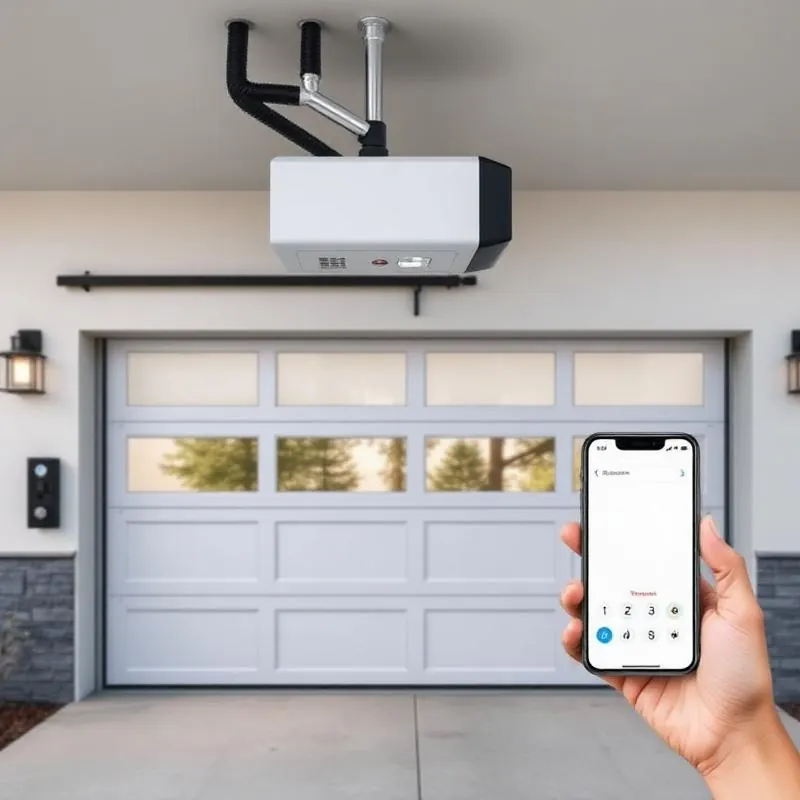
Its services include traditional garage door opener systems as well as modern smart opener installations.
For homeowners in Irvine, First Garage Door also provides local garage door services covering opener problems and other residential garage door needs.
Whether you're dealing with an aging opener or planning an upgrade, a professional assessment can help determine which option fits your door and budget.